Walk-in nails every Saturday morning 000-000-0000

Breed & coat guide

Dog breed coat and grooming guide

A coat-by-coat guide to what actually grows on the dogs and cats that come through our door, from doodles and poodles to wire terriers and flat-faced breeds. Breed tells you a little; the coat in front of us tells you everything.

By coat, not just by breed

What actually grows on the dogs and cats we see

Every entry below is a coat type rather than a strict breed list, because plenty of dogs on 61st Street are a blend of two or three of these at once.

Doodles and curly crosses grooming at Woodside Pet Grooming, Woodside NY

Doodles and curly crosses

The most common dog in this neighbourhood and the most commonly misunderstood. A doodle coat can be anything from loose waves to dense wool, sometimes on the same dog, and the puppy coat that brushed out beautifully at eight months changes texture completely between one and two years old. Ask us what yours has become; it is very often not what it started as.
Poodles grooming at Woodside Pet Grooming, Woodside NY

Poodles

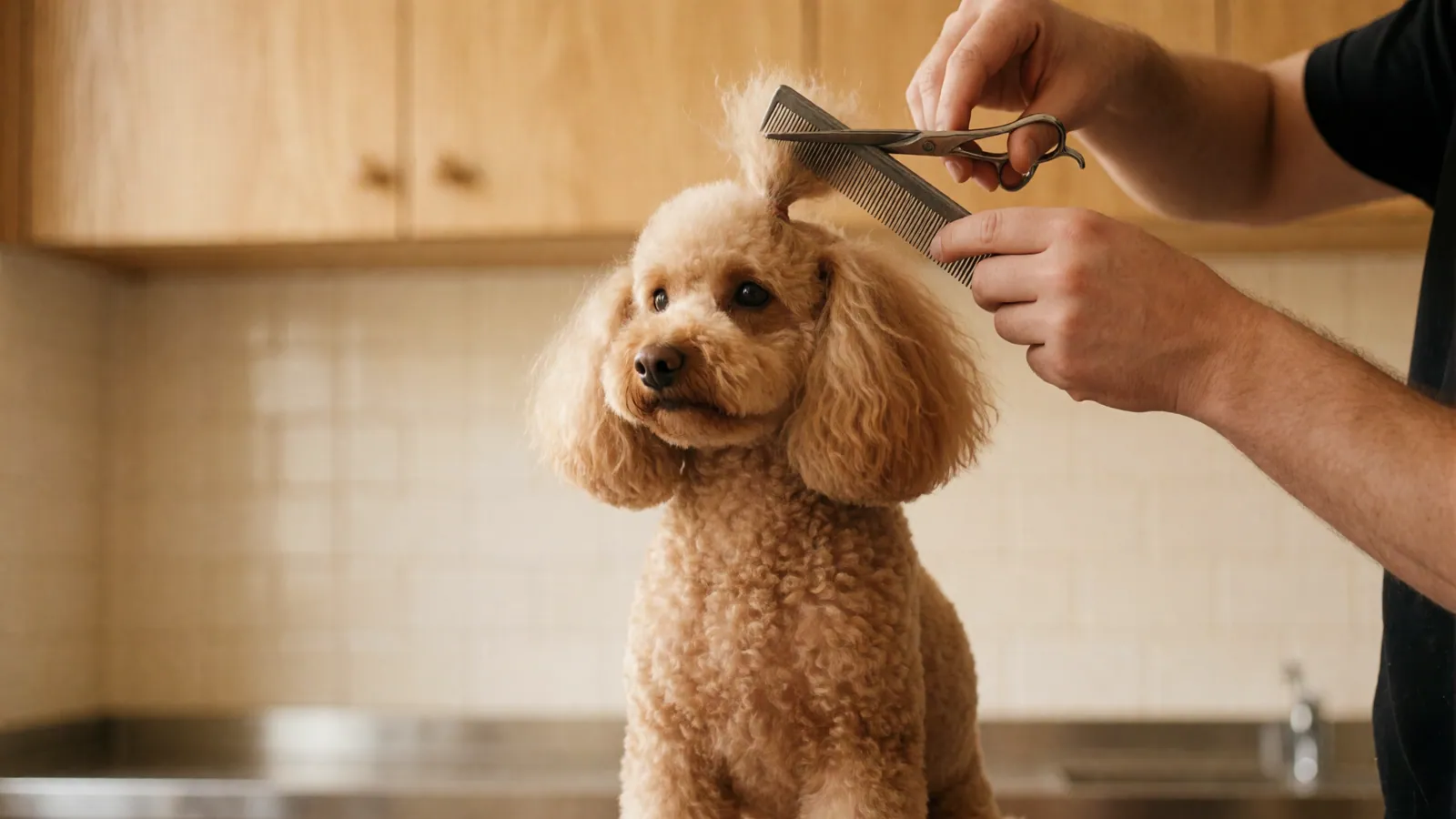
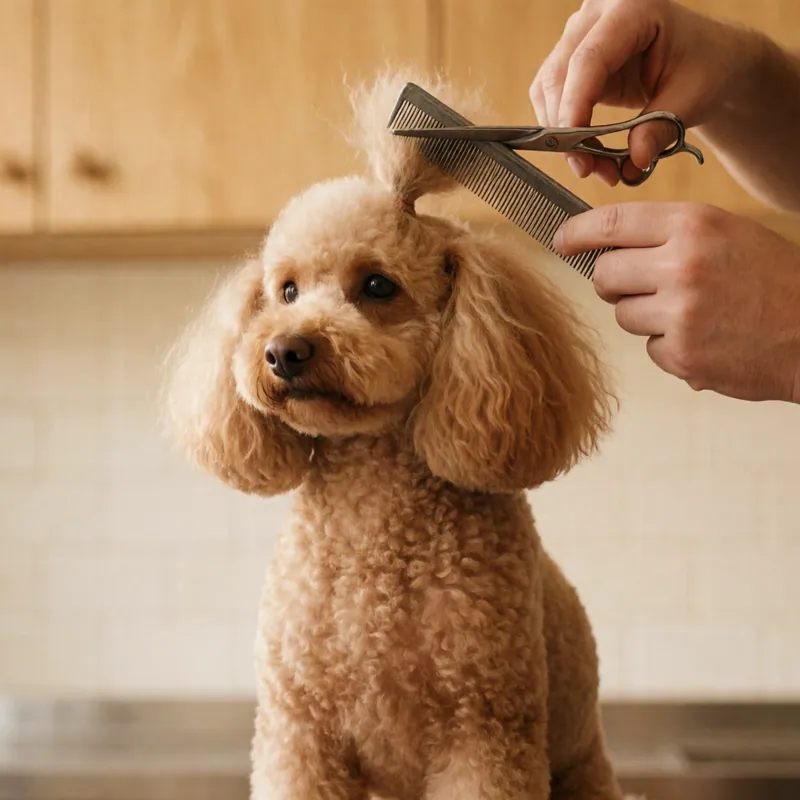
The coat everything else is measured against: dense, curly, non-shedding and endlessly workable. It will take almost any trim you like, from a short practical lamb clip to fully scissored show shapes, and it will mat solid in three weeks if nobody combs it. A poodle is a commitment, honestly made.

Schnauzers and wire terriers grooming at Woodside Pet Grooming, Woodside NY

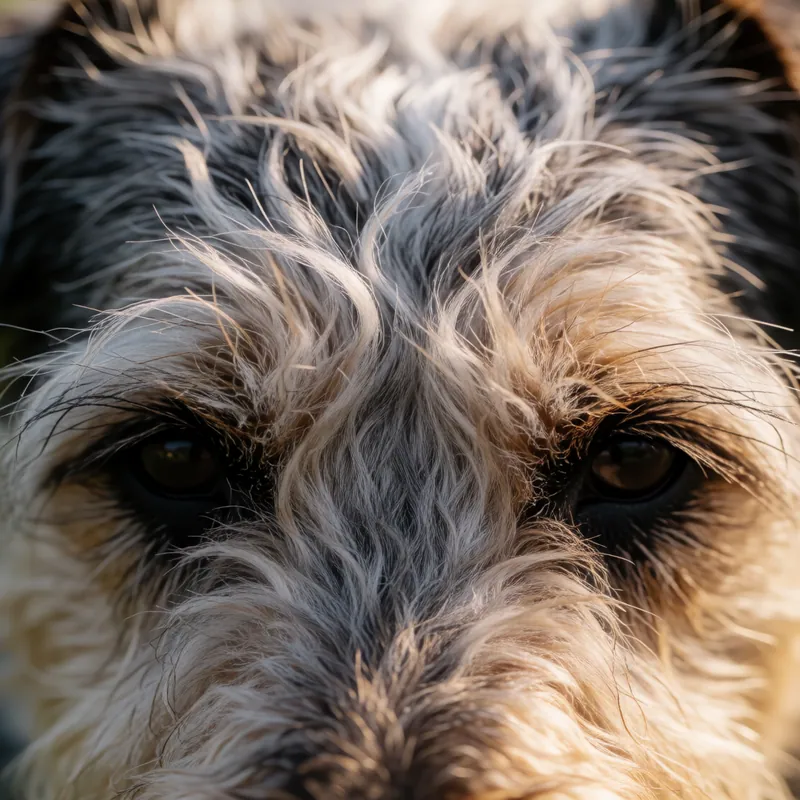
Schnauzers and wire terriers

A harsh jacket that is meant to be stripped and soft furnishings that are meant to be scissored — two different coats on one dog. Clipping is quicker, kinder to an old dog and perfectly respectable; it will also soften and fade the jacket over a year or two, which is worth knowing before you choose.

Shih tzus, maltese and yorkies grooming at Woodside Pet Grooming, Woodside NY

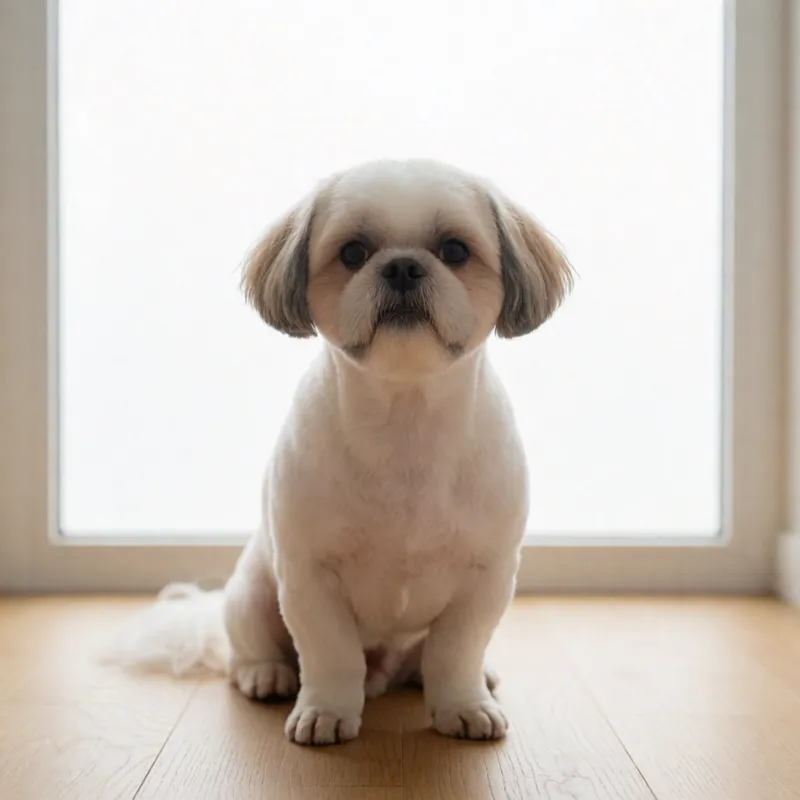
Shih tzus, maltese and yorkies

Silky hair that grows continuously, more like a person's than a dog's. Kept long it is a daily job; kept in a short puppy trim it is one of the easiest dogs to own. Most people are far happier after they stop trying to keep the length.

Cocker and springer spaniels grooming at Woodside Pet Grooming, Woodside NY

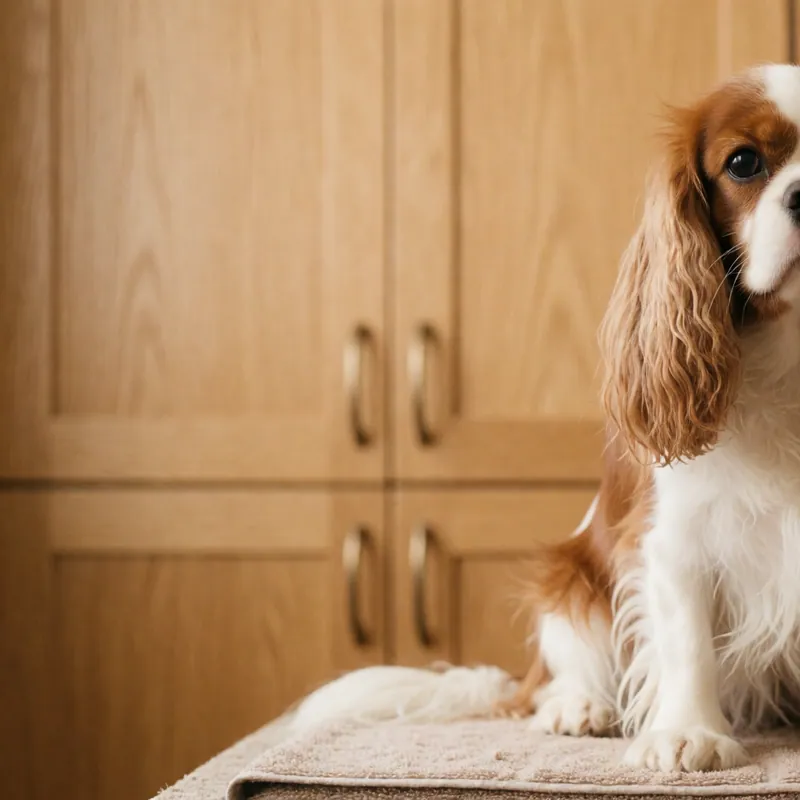
Cocker and springer spaniels

Feathered legs and ears that mat quietly out of sight. The ears want checking every week — a spaniel ear is heavy, warm and closed, and anything unusual in there is a veterinarian's question rather than ours.

Golden retrievers and setters grooming at Woodside Pet Grooming, Woodside NY

Golden retrievers and setters

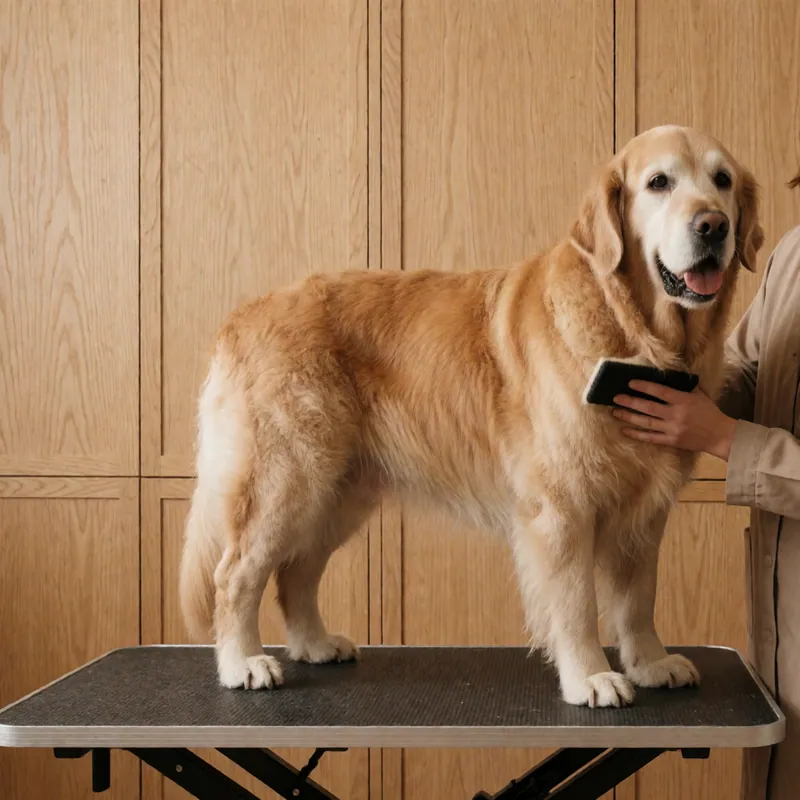
A feathered double coat that sheds year-round and moults hard twice a year. They want de-shedding rather than clipping, a tidy on the feet and tail, and the trousers kept clean. The full jacket stays on.

Huskies, shepherds and northern breeds grooming at Woodside Pet Grooming, Woodside NY

Huskies, shepherds and northern breeds

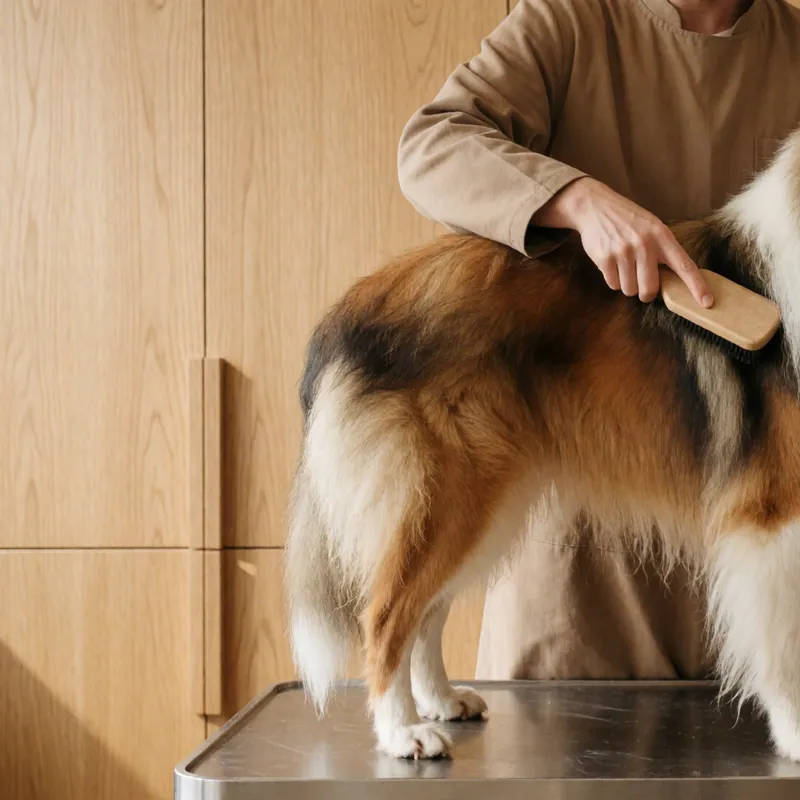
Enormous undercoat, twice-yearly blow-outs that fill a bin, and a coat that should not be shaved. A proper de-shed with a bath and a high-velocity dry removes more coat in ninety minutes than a month of brushing at home.

Newfoundlands, bernese and giants grooming at Woodside Pet Grooming, Woodside NY

Newfoundlands, bernese and giants

Big, heavy, hot coats on dogs who cannot easily be lifted. These are booked long, taken slowly, and always done on the low table. The work is mostly undercoat, feet, sanitary and keeping the trousers clean.

Bulldogs, pugs and flat-faced breeds grooming at Woodside Pet Grooming, Woodside NY

Bulldogs, pugs and flat-faced breeds

Almost no coat to speak of and a great deal else to do: face folds, tail pockets, nails and ears. These dogs also overheat easily and get short, cool, unhurried appointments with breaks — we will never rush a flat-faced dog to save fifteen minutes.

Labradors, beagles and smooth coats grooming at Woodside Pet Grooming, Woodside NY

Labradors, beagles and smooth coats

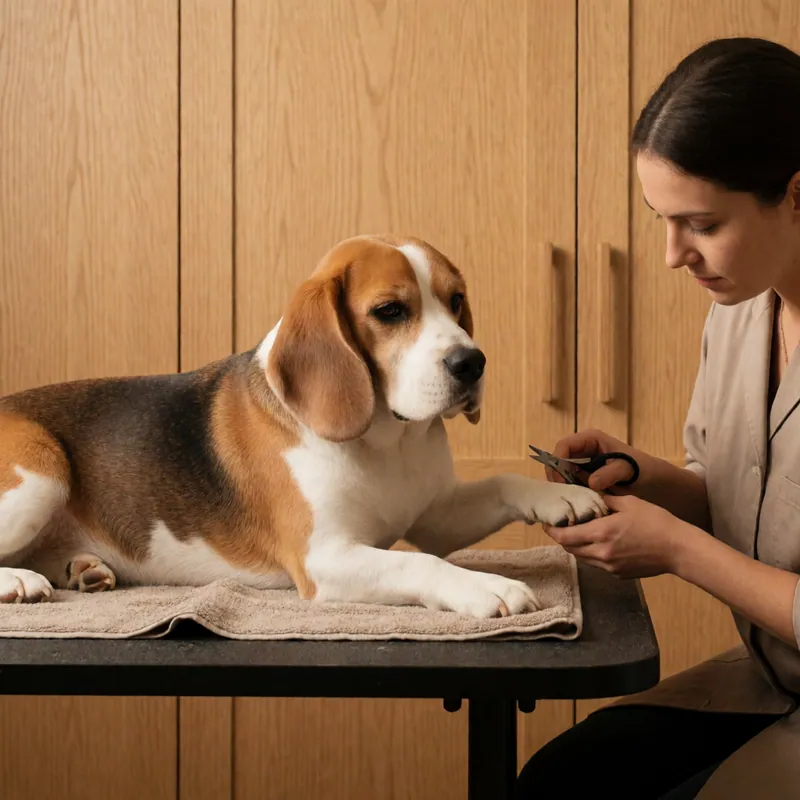
Easy coats that people bring in for everything except the coat. A bath, a proper de-shed twice a year, nails that most owners quietly dread doing, and ears. Twenty minutes of the appointment is coat; the rest is maintenance.

Long-haired cats grooming at Woodside Pet Grooming, Woodside NY

Long-haired cats

Persians, maine coons and ragdolls, plus every long-haired moggy in the borough. Combed to the skin if the coat allows it, clipped if it genuinely does not, always in the quiet room and always at the cat's pace.

Rabbits and guinea pigs grooming at Woodside Pet Grooming, Woodside NY

Rabbits and guinea pigs

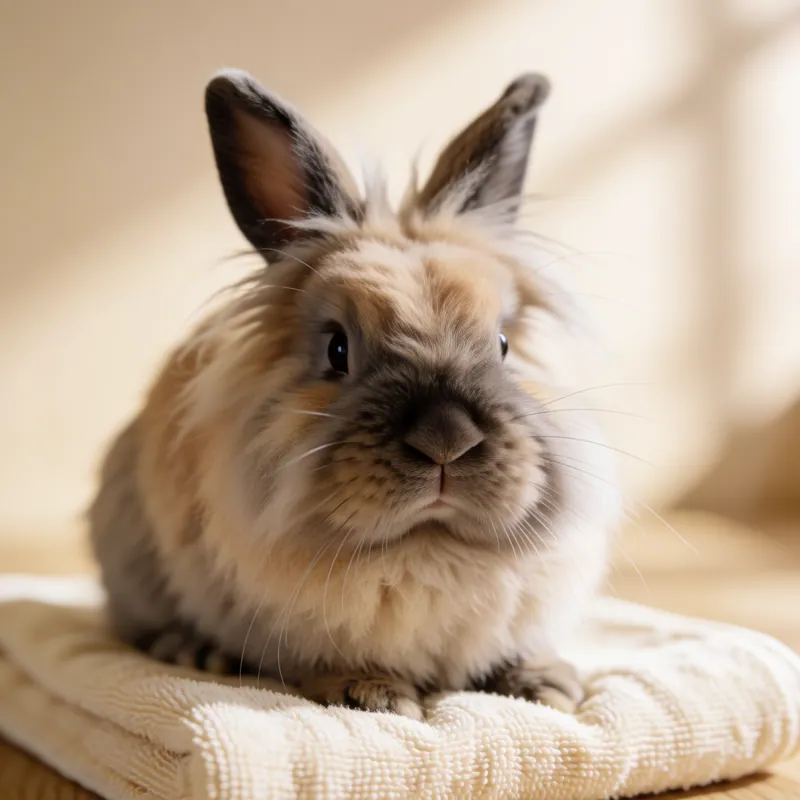
Combing, nails and a coat check, never a bath. Angoras and lionheads moult in sheets and need a groomer on a rhythm; short-coated rabbits mostly just need their nails done by somebody who is not frightened of them.

Two different jobs

A breed trim, or a pet trim

  • A breed trim

    A shape modelled on how a breed is meant to look when shown or judged — a scottie's furnishings, a poodle's continental clip, a schnauzer's squared-off head. It takes longer to cut and longer to hold, and not every coat that grows on a breed can actually carry the standard shape. Ask for one by name and we will tell you honestly whether your dog's coat is a candidate.

  • A pet trim

    The shape almost everyone actually wants: short enough to be easy at home, tidy enough to look cared for, and built around comfort rather than a show ring. Most of what we cut here is a pet trim, at a length matched to how often you can realistically get a comb through it — see how that interval works for your dog's coat type.

Not one coat, but two

Why doodles and mixed breeds keep surprising their owners

A doodle or mixed-breed coat is very often not one texture but two, and it does not stop changing at one year old.

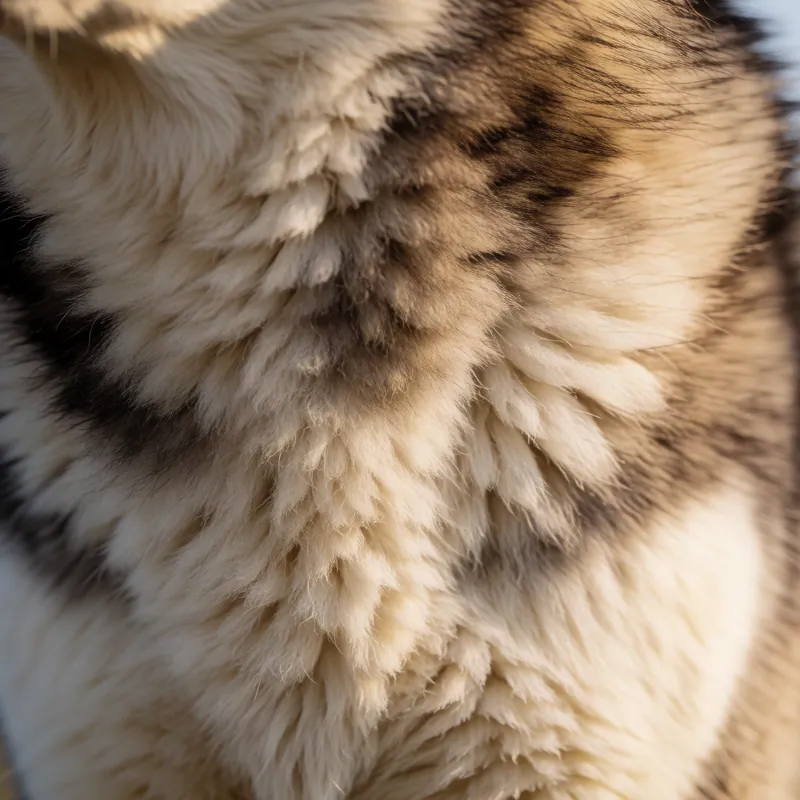
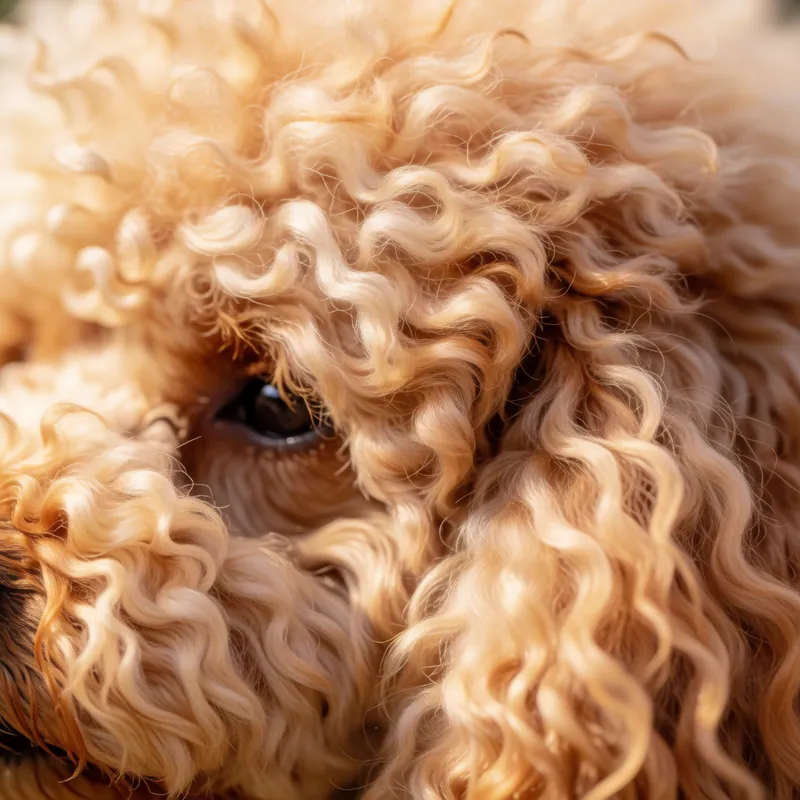
Two coat textures visible in a doodle's curly coat during a groom at Woodside Pet Grooming
  • Two textures on one dog

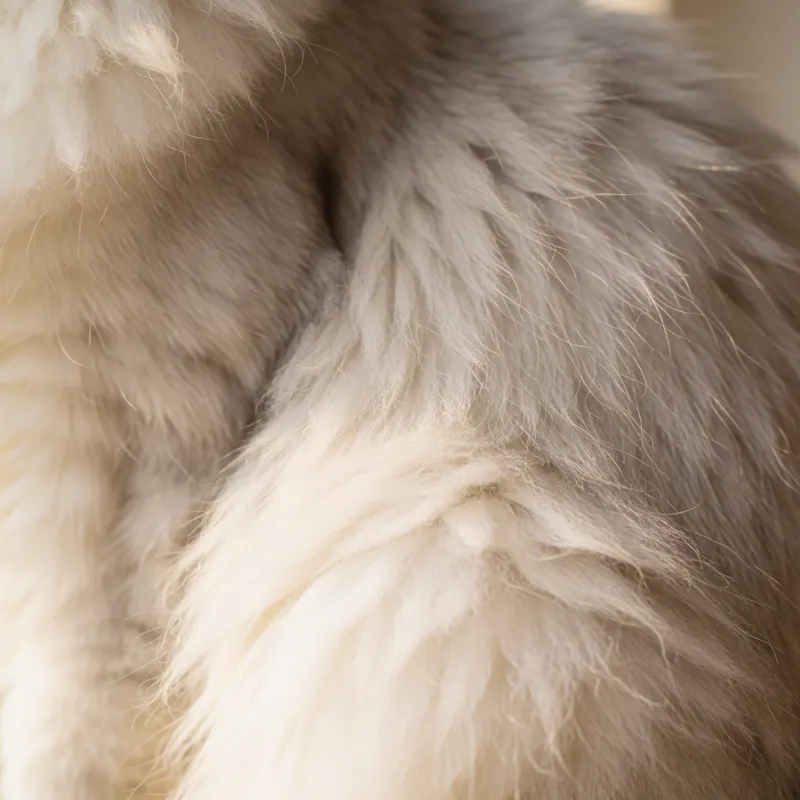
    A softer, denser undercoat close to the skin and a coarser topcoat over it, in proportions that vary from dog to dog and even from one part of the same dog to another. The ears, legs and tail are frequently one texture and the back and sides another, which is why a comb can glide through the shoulder and hit solid resistance three inches away.

  • The coat changes again around a year old

    The puppy coat that brushed out effortlessly at eight months is not permanent. Most dogs' coats shift texture somewhere between one and two years old — a loose wave can turn to a tight curl, a soft coat can turn wiry — and a dog that never used to mat can suddenly start. If your easy puppy has become a difficult adolescent, the coat is very often the reason.

  • What that means for your grooming plan

    It is why the interval guide on our grooming schedule page is written by coat rather than by breed, and why every visit here starts with a hands-on coat check rather than a price taken from a breed name on a form. Bring the dog in and we will tell you honestly which category above it has actually become.

The choice that actually matters

Choosing a length you can maintain at home

The length you can realistically keep up between visits matters more than the length that looks best on the day.

  • A full, natural length

    Beautiful on a doodle or a maltese, and a genuine daily commitment — comb to the skin every day or it mats, with no exception for a busy week. Choose this only if the daily combing is realistically going to happen, not just this month but this year.

  • A short puppy or teddy-bear trim

    An inch or so all over, which turns a daily job into a twice-a-week one and makes a mat almost impossible to hide before it is small enough to comb out in seconds. This is what most owners who started with the full length eventually move to, and it is not a failure — it is the length that actually gets maintained.

  • A working or practical clip

    Shorter again, closer to what a smooth-coated dog looks like, for an owner who wants brushing reduced to almost nothing. It suits a wire or curly coat better than a silky one, and we will tell you honestly if the length you are asking for will not hold on your dog's particular texture.

  • Somewhere in between

    Most of what we actually cut. Tell us how many minutes a day you will really spend with a comb, not how many you intend to, and we will suggest a length to match, then check at every visit whether it still fits. See haircut and styling for how a length is chosen and cut, hand-stripping if your dog has a wire jacket, and de-shedding if the issue is undercoat rather than length at all.

Questions

Breed & coat guide — the questions we are asked most

How do I know what coat type my dog actually has?

Feel for a comb passing all the way to the skin, not just through the top layer — that tells you more than the breed name does. Curly and wool coats feel dense and springy throughout, wire coats feel harsh on the jacket and soft underneath, silky coats feel like human hair, and double coats have an obvious soft undercoat under a coarser topcoat. If you are still not sure, bring your dog in and we will tell you for nothing.

Why does my doodle's coat feel different now than it did as a puppy?

Most dogs' coats change texture somewhere between one and two years old, and doodles change more than most — a loose puppy wave can turn into a tight adult curl almost overnight. It is not something you did wrong; it is the coat growing into what it was always going to be, and it usually means the grooming interval needs to get shorter, not that anything has gone wrong.

What is the difference between a breed trim and a pet trim?

A breed trim follows the shape a breed is judged on in a show ring — precise lines, specific proportions, more upkeep to hold. A pet trim is built for comfort and easy maintenance at home rather than a standard, and it is what most of our clients actually choose. Ask for either by name and we will tell you honestly whether your dog's coat can hold the shape you have in mind.

My mixed-breed dog seems to have two different coats. Is that normal?

Yes, very. A mixed-breed or doodle coat is often a blend of a softer undercoat and a coarser topcoat in different proportions across the body — commonly softer on the ears, legs and tail and coarser along the back. That is exactly why a comb can glide through one part of the dog and catch solid resistance a few inches away.

Which coat types need the most frequent grooming?

Curly and wool coats — poodles and doodles of every kind — need a groomer every four to six weeks because the hair does not shed, so anything that comes loose has nowhere to go but into a mat. Double coats and smooth coats are the other end of the scale, usually fine at eight to twelve weeks. The full breakdown by coat type is on /grooming-schedule.html.

Can any length be cut on any coat type?

No, and we would rather tell you that before we start clipping than after. A wire coat clipped short will soften and pale over time rather than staying harsh, a curly coat cannot be grown to a silky length no matter how it is cut, and a double coat is not shaved here except on a veterinarian's advice, because it can change how the coat grows back. We will tell you plainly if the look you want is not achievable on the coat your dog actually has.

Should I choose a shorter length if I cannot keep up with combing?

Yes, honestly — a shorter, low-maintenance length that is actually kept up beats a longer one that mats between visits, every time. Tell us how much combing you will realistically do at home, not how much you intend to, and we will suggest a length that matches it.

Do you groom hand-stripped coats as well as clipped ones?

Yes — hand-stripping is a slower, different process for wire coats that keeps the jacket harsh rather than letting it soften, and it is priced and booked as a longer appointment. See /hand-stripping.html for what it involves and how it differs from clipping the same dog.

Still not sure which coat you have

Bring your dog in for a free coat check

It takes about two minutes and it is far more reliable than guessing from the breed name, especially for a mixed breed or a doodle.