Is something actually wrong with your pet? Grooming is not the right answer to a medical problem. If your pet has a wound, a hot spot, an ear that smells or is painful, a lump, a limp, a rash that is spreading, is scratching itself raw, or is in any distress, see a veterinarian first and come to us afterwards. We will happily groom around a healing problem once a vet has seen it, and we will tell you honestly when we think something needs a veterinarian rather than a bath.
Read this first
What a mat actually is, and why it hurts
A mat is not simply tangled hair sitting on top of the coat. Loose hair that is not brushed out works its way down to the skin and felts into a solid sheet, and as it tightens it pulls on the skin underneath with every movement your dog makes.
That is why the worst mats collect in the places that move the most — behind the ears, in the armpits, in the groin, and low on the legs — and why a dog with a badly matted coat is often flinching, or turning to look at a spot, before anyone has even touched it. None of this is obvious from the top. A coat that gets a quick brush over the surface every week or two can still be solid felt an inch underneath, which is exactly why we do not judge a coat by how it looks from across the room.
The only honest test
The comb test
There is one real test for whether a coat is actually brushed out, and it has nothing to do with how tidy it looks. If a comb will not pass cleanly to the skin, the coat is not brushed out, whatever the top of it looks like. Here is exactly how we check.
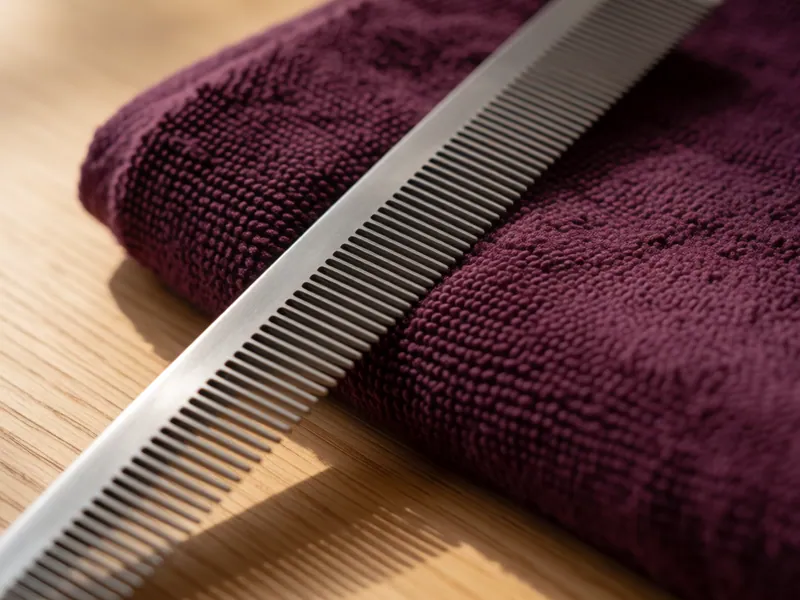
Use a metal comb, not a slicker
A slicker brush only ever touches the top of the coat. A metal comb is the one tool that tells you honestly what is happening at skin level, which is the only place that actually matters here.
Part the coat down to the skin
Use your fingers to part a small section of hair so you are looking at bare skin, not just the surface of the coat, before the comb goes anywhere near it.
Draw the comb all the way through, in one stroke
Start at the skin and comb outward to the very end of the hair in a single continuous movement, rather than tugging at the tips or working from the top down.
Check the mat-prone spots first
Behind the ears, under the collar, in the armpits, in the groin, along the back legs and around the tail. These mat first and hide longest under a coat that still looks fine from across the room.
If the comb stops before it reaches the skin, that is a mat
It does not matter how the top of the coat looks or how recently you brushed it. A comb that will not pass cleanly through to the skin means the coat underneath is not brushed out, and that spot needs attention before it gets any tighter.
The policy, in numbers
Our 30-minute de-matting policy
De-matting is priced at $25 for every 15 minutes, and we cap it at 30 minutes by policy — which means $50 is the most we will ever spend trying to comb a mat out before we stop and talk to you about clipping instead.
Thirty minutes is not an arbitrary number picked to sound reasonable on a price list. Past that point, the comb is doing more pulling than combing, most dogs have stopped tolerating it, and the honest choice is between another hour of a procedure your dog is finding painful and five minutes with a clipper followed by a plan to grow the coat back properly. We choose the second, and we tell you why before we start rather than after the bill is written.
When de-matting is not the kind answer
What a shave-down actually looks like, and how it grows back
If we reach the 30-minute mark and the mat has not moved, or it is obvious at the coat check that de-matting was never going to work, we stop and talk to you rather than start the clock and see what happens. Nothing is clipped without your agreement.
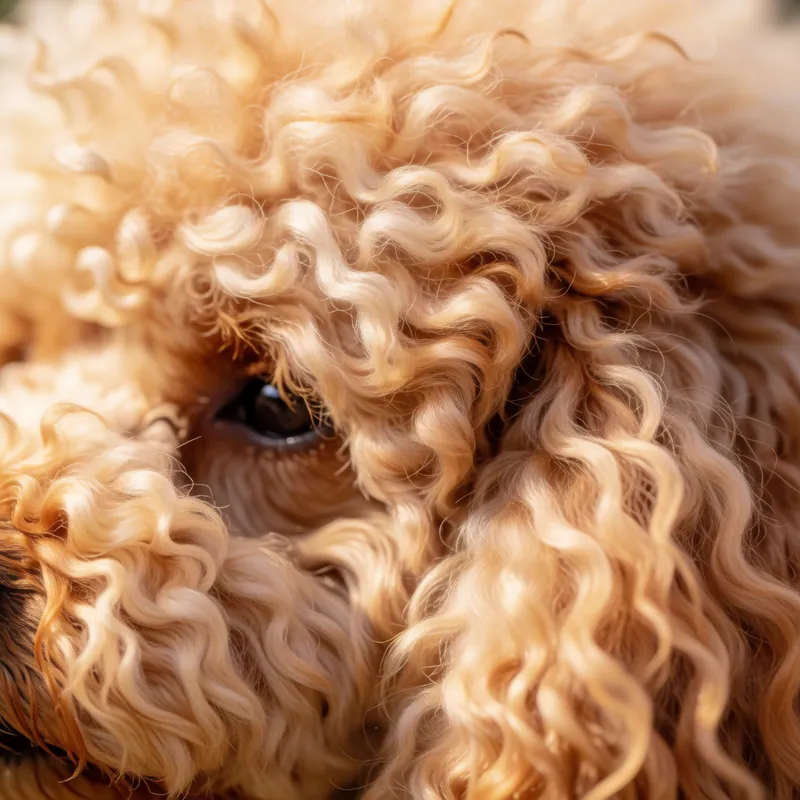
What you collect is very short and close to the skin wherever the mat sat, and sometimes close to bald in patches, because we can only clip as near to the skin as the mat itself sits and an unevenly matted coat comes off unevenly. It will not look like a finished haircut for some weeks, and we would rather you heard that from us before pickup than discovered it in the parking lot. Most curly and wool coats are back to a workable length within two to three months and fully regrown within six to eight, kept on a normal four-to-six-week rhythm from the day it is clipped — read a real account of exactly this on our reviews page.
Stated plainly
The real risks, said out loud
Clipping a matted coat is not the same procedure as clipping a coat that combs out normally, and pretending otherwise would not be honest.
The skin underneath a mat is very often sore or reddened before we have even started, simply from the mat's own weight and tension against it. And because the clipper blade has to sit right against that skin to get underneath the mat, nicks and clipper irritation are genuinely more likely than on a coat that is not matted — a dragging blade against skin that is already irritated is a real risk, not a theoretical one written on a page to cover ourselves.
- If a nick or irritation happens, you are told the same day, before you leave the building.
- It is shown to you and explained, not left for you to discover at home.
- If we think it needs more than time, we say so plainly and point you to a veterinarian.
- We do not treat, medicate or diagnose anything on the skin ourselves.
One more thing
This is not a judgement of you
A curly or wool coat can go from freshly groomed to matted in a matter of weeks if life gets busy, and it happens to almost everyone who owns one at some point — not because they are careless, but because these coats do not shed the way a short or double coat does, so hair that is not brushed out has nowhere to go but down.
We would rather spend the appointment on your dog than on making you feel bad about how it got this way, and we would much rather you called the moment you noticed than waited another month out of embarrassment. If you are not sure whether your dog has reached that point, bring it in — looking at a coat and telling you honestly what it needs costs nothing, and it is very often the difference between a normal groom this week and a shave-down next month. See how often your coat type actually needs doing, or check our breed and coat guide if you are not sure which coat your dog has grown into.
Prevention
Services that keep a coat from getting here
Three services are the most relevant: the de-matting and shave-down service itself, priced exactly as described on this page, a de-shedding treatment that gets the undercoat out before it can felt in the first place, and hand-stripping, for wire coats that are usually better off never meeting a clipper at all.
Bath, Skin & Coat
De-matting & shave-down
De-matting is $25 per 15 minutes, capped at 30 by policy. Past that, the honest answer is often a short clip and a plan to grow the coat back — we will tell you which, and why, before we start.
Read more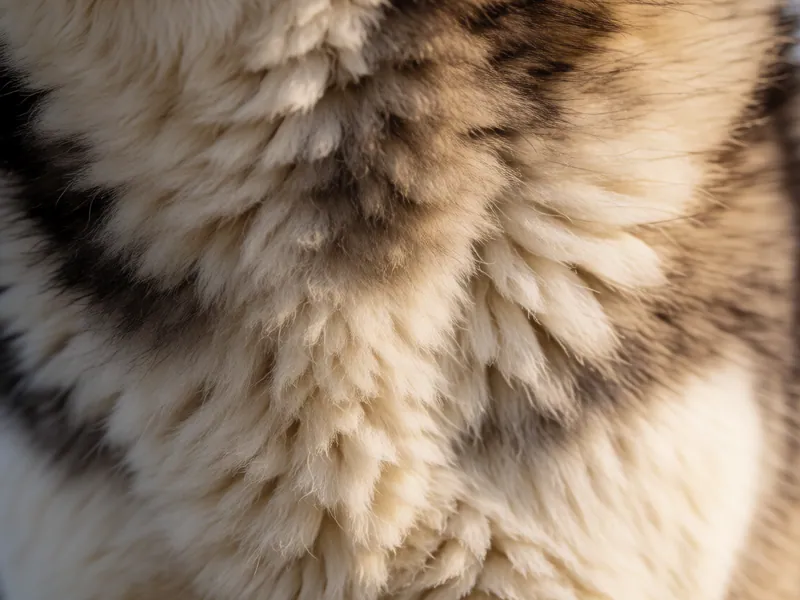
Dog Grooming
De-shedding
A bath, a high-velocity hand-dry and real undercoat work for double-coated dogs, built to remove loose undercoat rather than cut it off — we do not shave a double coat except on a veterinarian's advice.
Read more
Dog Grooming
Hand-stripping
Hand-stripping for wire coats — schnauzers, terriers, wire dachshunds and similar breeds — pulling the dead coat by hand rather than clipping it, so it keeps its harsh texture and colour, slow work priced by time from $150.
Read moreHow we handle your animal. We do not sedate animals and we never will — sedation is a veterinary decision made by a veterinarian, not a grooming shortcut. We use no heated cage dryers of any kind, and no animal is ever left alone with a dryer running. Every pet is hand-dried by the person grooming it. If your animal tells us clearly that it has had enough, we stop, and you get an honest conversation instead of a finished haircut.
Grooming is not veterinary care. Grooming is grooming, not veterinary care. This page describes a service we offer. It is general information, and it is not a diagnosis, a treatment or veterinary advice for any particular animal. We are groomers, not veterinarians — we do not diagnose, we do not prescribe and we do not treat medical conditions. If your pet has a wound, a lump, an ear or skin problem, a limp or anything that worries you, speak to a licensed veterinarian who can actually examine it.
Read more
Where to go next
How often your dog actually needs grooming
Curly coats mat fastest of all — see the honest interval by coat type. The grooming schedule.
Which coat your dog actually has
Doodles in particular are not always what they started as. The breed and coat guide.
Book the de-matting and shave-down service
Priced exactly as described on this page. De-matting and shave-down.
Questions
Matting and shave-downs — the questions we are asked most
How do I know if my dog is actually matted, and not just due for a brush?
Use a metal comb rather than your fingers or a slicker, and try to draw it all the way through to the skin in several places, particularly behind the ears, under the collar, the armpits and the back legs. If it stops before it reaches the skin, that is a mat, whatever the top of the coat looks like. The full step-by-step version of this test is set out further up this page, and we will happily do it for you for free if you would rather bring your dog in and ask.
Why does a mat actually hurt?
A mat is not simply tangled hair sitting on the surface. Loose hair that is not brushed out works down to the skin and felts into a solid sheet, and as it tightens it pulls on the skin underneath with every movement your dog makes. A mat behind an ear or in an armpit moves every time your dog turns its head or takes a step, which is why those spots are usually the most painful and the most reluctant to be touched.
How much does de-matting cost, and is there a limit?
De-matting is $25 for every 15 minutes of work, and we cap it at 30 minutes by policy, so $50 is the most we will ever spend trying to comb a mat out before we stop and talk to you about clipping instead. Past that point, another hour of dragging a comb through the coat is not kinder than a short clip, whatever it might feel like to ask for.
Will you shave my dog without asking me first?
No. If a coat is past what de-matting can reasonably fix, we stop, explain exactly what we found and what a clip would mean, and let you decide. Nothing is clipped off without your agreement, and if you would rather we stopped and did nothing further that day, we will.
What will my dog actually look like after a shave-down?
Very short and close to the skin over the matted areas, and sometimes close to bald in patches if the matting was uneven, because we can only clip as near to the skin as the mat itself sits. It will not look like a styled haircut for some weeks, and we would rather you heard that from us before pickup than found it out in the parking lot.
How long does it take for the coat to grow back?
Most curly and wool coats are back to a workable length within two to three months and fully regrown within six to eight, kept on a normal four-to-six-week grooming rhythm from the point they are clipped. A coat clipped short and then left for months without a groomer will simply mat again at the new length, so the interval matters as much as the clip itself.
Is clipping a matted coat risky for my dog's skin?
Genuinely, yes, more than clipping a coat that is not matted. The skin underneath a mat is very often sore or reddened from the pulling before we have even started, and because the clipper blade has to sit right against that skin to get underneath the mat, nicks and clipper irritation are more likely than on a coat that combs out normally. If either happens, we tell you the same day, before you leave the building, rather than let you find it at home.
Will you judge me for letting it get this bad?
No. A curly or wool coat can go from brushed to matted in a few weeks if life gets in the way, and it happens to almost everyone who owns one at some point. We would rather spend the appointment on your dog than on making you feel bad about it, and we would rather you called us the day you noticed than waited another month out of embarrassment.
Worried about a mat
Bring your dog in for a free look
Looking at a coat and telling you honestly what it needs, and what that would cost, is free and takes a few minutes. Most owners find out it is nothing like as bad as they feared, and the ones who do need a clip hear it from us before anything starts, not after.