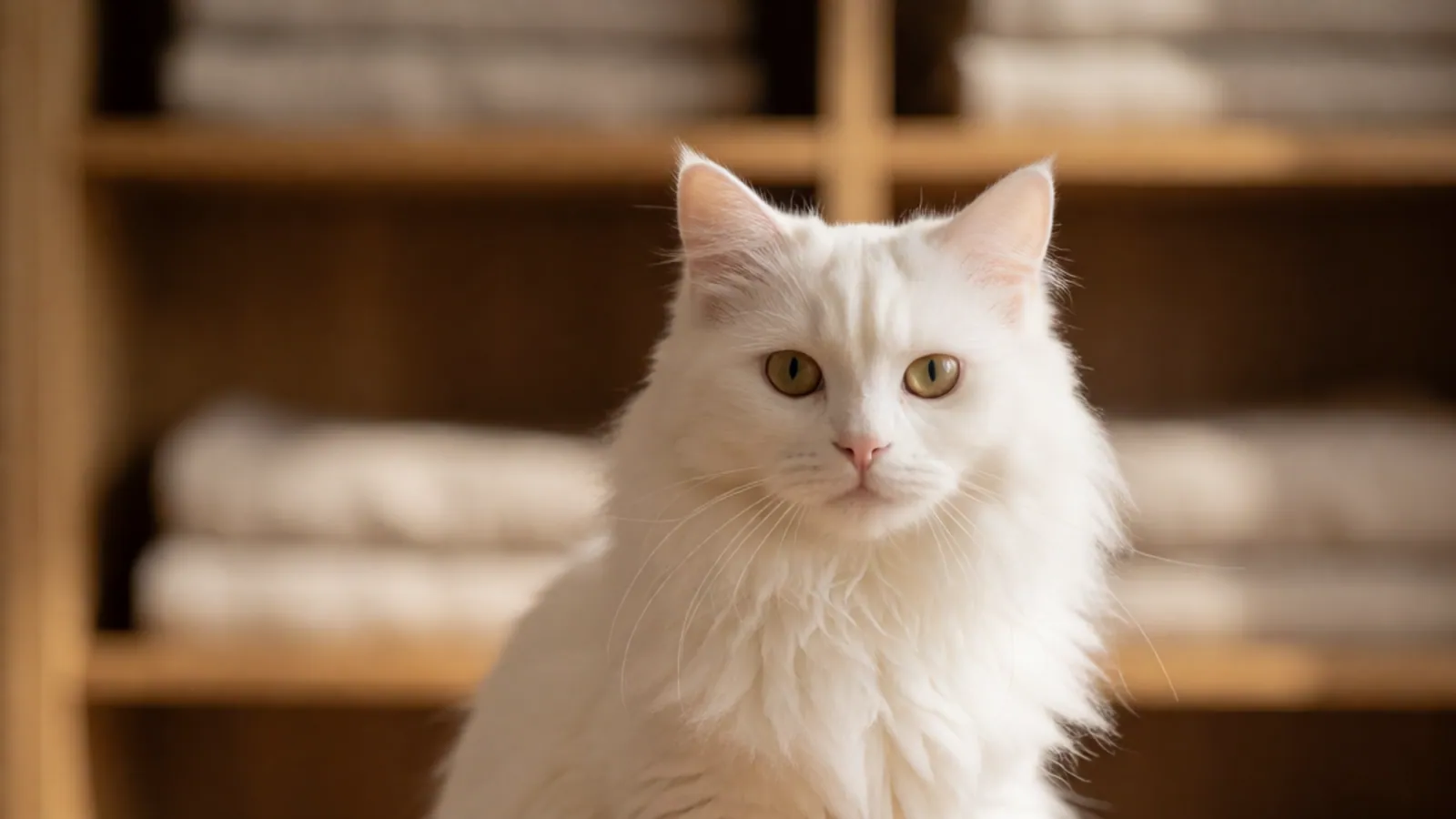
Is something actually wrong with your pet? Grooming is not the right answer to a medical problem. If your pet has a wound, a hot spot, an ear that smells or is painful, a lump, a limp, a rash that is spreading, is scratching itself raw, or is in any distress, see a veterinarian first and come to us afterwards. We will happily groom around a healing problem once a vet has seen it, and we will tell you honestly when we think something needs a veterinarian rather than a bath.
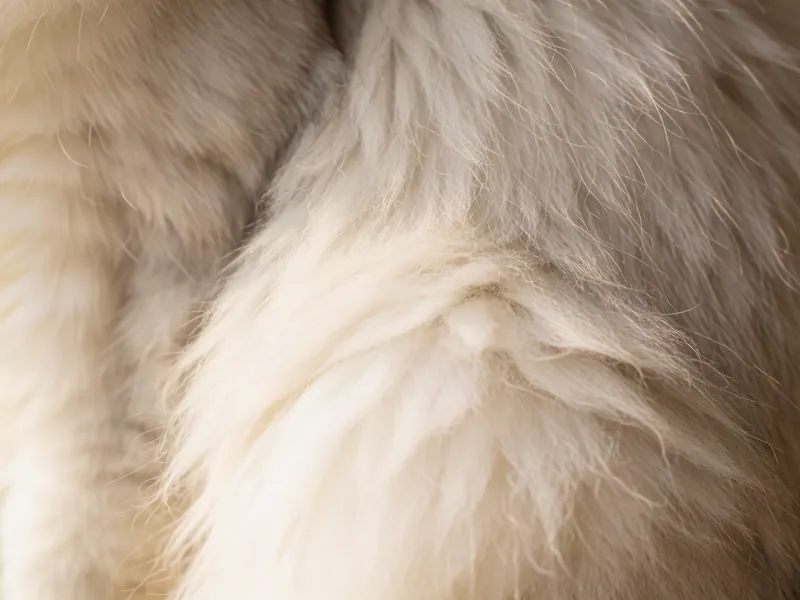
A lion cut is the name for a full clip on a long-haired cat: the body taken down close and even with clippers, and a deliberate collar of longer coat left around the head, and often the legs and the tip of the tail. A comb cut is the gentler cousin of the same idea, taken down with a longer guard so the result looks more like a short, tidy coat than a dramatic change. Both exist for the same reason — a coat a comb can no longer get through — and which one suits your cat is a conversation we have at the coat check, not before.
Cat skin is thinner than a dog's, moves more loosely over the body, and tents up unpredictably when clippers pass close to it, which is exactly the combination that makes this a slow job rather than a fast one. We work in short sections, check the skin constantly with a free hand ahead of the blade, and use guards rather than a bare blade wherever the coat allows it. It costs $140, and most of that price is time and attention rather than the haircut itself, which typically takes twenty minutes once the coat is actually reached.
Afterwards your cat will look genuinely different — shorter, lighter, and for the first week or two a little self-conscious about it, which is normal and passes. The coat itself takes something like four to six months to return to a normal length, and combing it two or three times a week once regrowth starts is what stops the whole thing happening again. A cat rarely reaches this point through neglect alone; age, weight and arthritis can all make the ordinary business of self-grooming physically difficult, and that change is worth mentioning to a veterinarian rather than explained from behind a pair of clippers. See /grooming-schedule.html and /senior-pet-grooming.html.
Lion cut or comb cut — what each one actually is
Two names for the same underlying job, at two different lengths.
The lion cut
Clippers taken close to the skin over the body, legs and tail, leaving a visibly longer ruff of coat around the head, and sometimes tufts left at the end of the tail and on the lower legs. It is the more dramatic of the two results, and the one most people picture when they hear the phrase, and it grows out evenly because the whole body was clipped to the same length.
The comb cut
The same clip, but taken down with a longer guard rather than close to the skin, so the result looks like a short, neat coat rather than a dramatically bald-looking body. It suits a cat whose coat is matted but whose owner would rather not walk around with the more obvious lion look for the next few months while it grows back.
Which one your cat gets
Decided at the coat check by how close to the skin the matting actually sits, not by preference alone — a mat sitting hard against the skin often leaves only the closer lion option, while a coat that is merely overgrown and tangled can usually take the gentler comb cut instead. We tell you honestly which is realistic before any clipper is switched on.
Why we do not simply de-mat instead
De-matting a coat that is felted solid to the skin can take hours, hurts more than a clip does, and is capped at thirty minutes here by policy regardless of the coat in front of us. Past that point, working a comb through the mat is worse for your cat than removing it, which is why the honest answer is often a clip rather than more time with a comb.
What is not touched
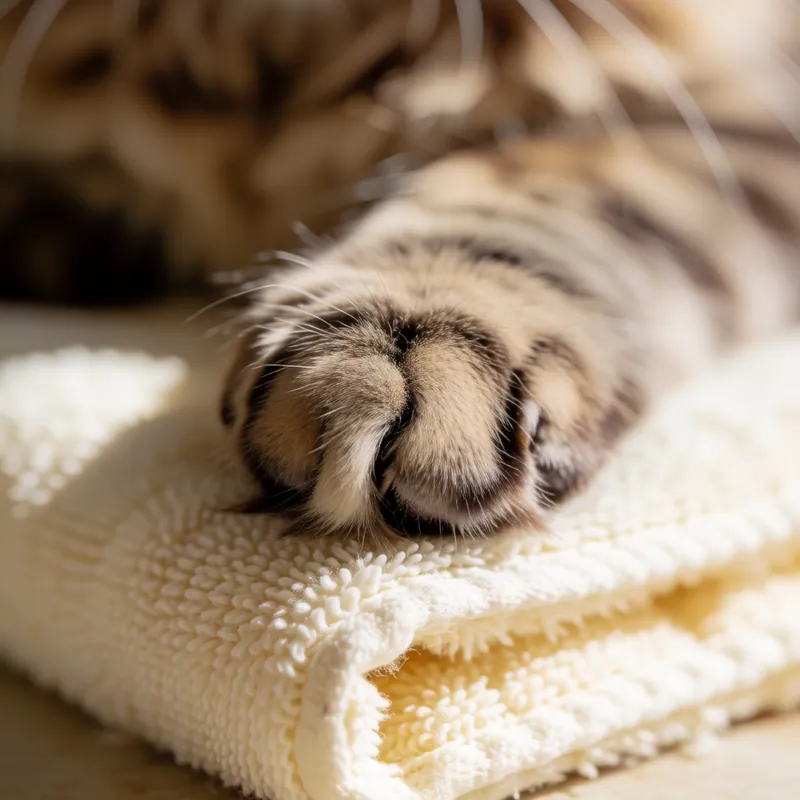
The face, the ears and the paw pads are worked around carefully rather than clipped close, since a cat's face has very little spare skin and the pads are sensitive enough that most cats object strongly to having them handled with a blade nearby. A light tidy of the fur between the pads is included; the whiskers are never trimmed.
Why this is careful, unhurried work
A cat's skin behaves differently under clippers than a dog's does, and the whole appointment is built around that.
Thin, loose skin
A cat's skin is noticeably thinner than a dog's and sits more loosely over the body, which means it tents and folds unpredictably as clippers pass over it, especially around the belly, the armpits and the back of the legs. Those are exactly the places most matting collects, which is the part of the job that takes the most time and the steadiest hand.
A free hand ahead of the blade
One hand is kept flat against the skin just ahead of wherever the clipper is working, feeling for the skin tenting up before it happens rather than reacting after the fact. It slows the whole clip down considerably, and it is the single biggest reason this is not a job that can be rushed to hit a shorter appointment time.
Guards over bare blades wherever possible
A guard comb is used instead of a bare blade wherever the coat and the mat allow it, because a guard puts a small but real distance between the moving blade and the skin underneath. A bare blade is kept only for the places a guard genuinely cannot reach through a solid mat, and used there for the shortest time possible.
Nicks are rare, but we tell you the same day
A nick or a patch of clipper irritation is uncommon on this work but genuinely possible, particularly where the coat was matted tightest against the skin. If it happens, you are told before you leave the building, shown exactly where it is, and told plainly if we think it needs a veterinarian rather than left for you to find at home.
Why it is not rushed for the sake of the clock
This appointment is booked with enough time built in that finishing five minutes early is never the goal, and a cat that needs a pause gets one. A lion or comb cut done in a hurry is how skin gets nicked, and finishing a coat well matters more here than finishing it quickly. If a session runs long because your cat needed more breaks than usual, the next appointment on the book simply starts a little later, rather than your cat's time being cut short to keep the day on schedule.
The honest reasons a cat reaches this point
A cat that stops keeping its own coat in order is usually telling you something, and it is rarely simple stubbornness.
Age
Older cats groom themselves less thoroughly and less often than they did as younger animals, sometimes gradually enough that an owner does not notice the change until the coat is already matted. It is an extremely common reason a lion cut gets booked, and it is not a reflection on how well the cat has been looked after. We see it often enough that nobody here treats it as anything unusual, and it is never a reason to feel you should have caught it sooner.
Weight
A heavier cat simply cannot reach large parts of its own body — the lower back, the base of the tail, the hindquarters — the way a lighter cat can, and those are exactly the places mats tend to start. This is a pattern we see often enough to recognise on sight, though what to do about the weight itself is a question for a veterinarian, not for us.
Arthritis and reduced mobility
Self-grooming is a genuinely physical task — twisting, stretching, reaching awkward angles — and a cat with sore or stiffening joints will quietly stop doing the parts that hurt long before it stops eating or moving around the house normally. A sudden change in how well a cat grooms itself is worth mentioning at its next veterinary visit. It is one of the quieter signs of joint pain in a cat, and often the first one an owner actually notices, well before a limp or a reluctance to jump becomes obvious.
We do not diagnose, and we will say so
If we think age, weight or joint pain looks like the reason your cat's coat has gone this way, we will tell you that plainly, because it changes how we handle the appointment. What we will not do is name a condition, suggest a cause with any certainty, or recommend a treatment — that is a veterinarian's job, done with an examination we are not qualified to give.
What we will tell your veterinarian, if asked
If it helps, we are glad to describe in plain terms what the coat looked like, where the matting sat, and how your cat handled the appointment, so your veterinarian has that detail alongside their own examination. We will not offer an opinion on what caused it beyond that description — only on what we saw and did. A written note or a short call takes us a few minutes and costs nothing, and it is often useful background for an examination that we cannot provide ourselves.
Cat lion cut in western Queens
The full clip for a long-haired cat whose coat has gone past what combing can manage, done slowly on skin that nicks easily, with the reasons behind it pointed at a veterinarian rather than guessed at here.
It starts the same way whatever you have booked: both hands over the whole animal before anything is switched on, so we find what is under the top layer rather than discover it halfway through. Then you are told the price and the finish time out loud, before you leave the building. If the coat turns out to be worse than it looked, we stop and call you, and you decide what happens next rather than finding out at collection.
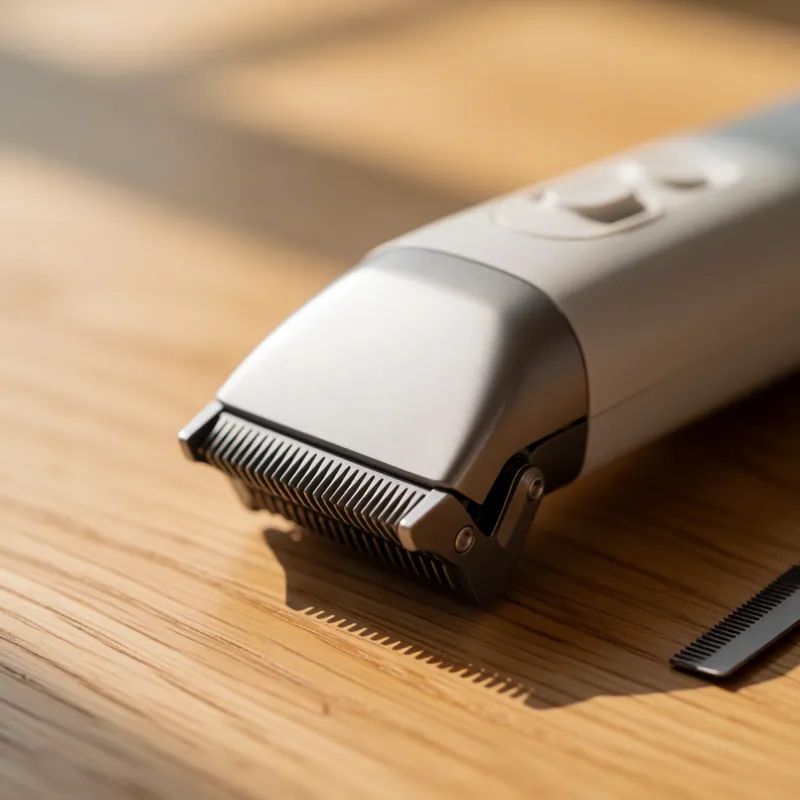
Grooming is not veterinary care. Grooming is grooming, not veterinary care. This page describes a service we offer. It is general information, and it is not a diagnosis, a treatment or veterinary advice for any particular animal. We are groomers, not veterinarians — we do not diagnose, we do not prescribe and we do not treat medical conditions. If your pet has a wound, a lump, an ear or skin problem, a limp or anything that worries you, speak to a licensed veterinarian who can actually examine it.
How we handle your animal. We do not sedate animals and we never will — sedation is a veterinary decision made by a veterinarian, not a grooming shortcut. We use no heated cage dryers of any kind, and no animal is ever left alone with a dryer running. Every pet is hand-dried by the person grooming it. If your animal tells us clearly that it has had enough, we stop, and you get an honest conversation instead of a finished haircut.
Questions
Cat lion cut — the questions we are asked most
What is a lion cut, exactly?
A full clip taken close to the skin over the body, legs and tail, with a deliberate collar of longer coat left around the head and sometimes the very tip of the tail. It is the standard answer for a long-haired cat whose coat has matted past what a comb can manage, and it costs $140. A comb cut is the gentler version of the same idea, taken down with a longer guard instead of a bare blade.
Will my cat look strange afterwards?
Different, certainly — noticeably shorter and lighter, and for the first week or two a little self-conscious about it, which is entirely normal and passes. Most owners are relieved rather than upset once they see how much better the cat moves and grooms itself without the weight of a matted coat. It is not painful or embarrassing for the cat in any lasting sense, whatever the internet suggests.
How long will it take for the coat to grow back?
Roughly four to six months to return to a normal length, depending on the individual cat and the breed. Combing two or three times a week once regrowth genuinely starts is the single biggest factor in whether it grows back workable or mats again on the way. See /grooming-schedule.html for how often a long-haired cat generally needs combing at home.
Is it safe to clip so close to a cat's skin?
It is done carefully rather than quickly, which is the honest answer. A cat's skin is thinner and looser than a dog's, so we work in short sections with a free hand kept just ahead of the blade to feel the skin tenting before it happens, and we use a guard comb instead of a bare blade wherever the mat allows it. Nicks are uncommon but possible, and if one happens you are told the same day, before you leave.
Why did my cat's coat get this bad in the first place?
Usually one of three things: age, extra weight, or stiffening joints, all of which can make the physical business of self-grooming genuinely difficult for a cat that used to manage perfectly well on its own. We will tell you plainly if that is what we think we are seeing, but we do not diagnose or name a condition — that is a conversation for your veterinarian, who can actually examine your cat.
Can you just de-mat her instead of shaving her?
Sometimes, if the mats are not sitting hard against the skin — we always try the gentler option first at the coat check. De-matting is capped at thirty minutes here by policy, because past that point a comb dragged through a solid mat hurts more than removing it does. Where the coat genuinely will not allow it, a lion or comb cut is the kinder choice, and we explain exactly why before we start.
Does the lion cut include a bath?
Not automatically — the $140 is for the clip itself. If your cat also needs a bath, which is common on a coat that has been matted for a while, we agree one combined price for the whole visit at the coat check rather than adding it on afterwards. Tell us what you would like when you book and we will quote the full appointment honestly.
My cat has never been sedated for anything before — will she need it for this?
No. We do not sedate cats for grooming, ever, regardless of how matted the coat is — that is a veterinary decision for a veterinarian who has examined the animal, not something a salon should offer. A difficult lion cut is managed instead with a longer slot, short working sessions with real breaks, and, where genuinely needed, finishing the job across a second visit rather than pushing through in one.
Related
Usually booked alongside this
Cat & Small Pet
Cat grooming
A full cat groom — bath, hand-dry, comb-out and nails — in a separate quiet room with its own door, booked at roughly twice the length the job needs, with no sedation, ever.
Read more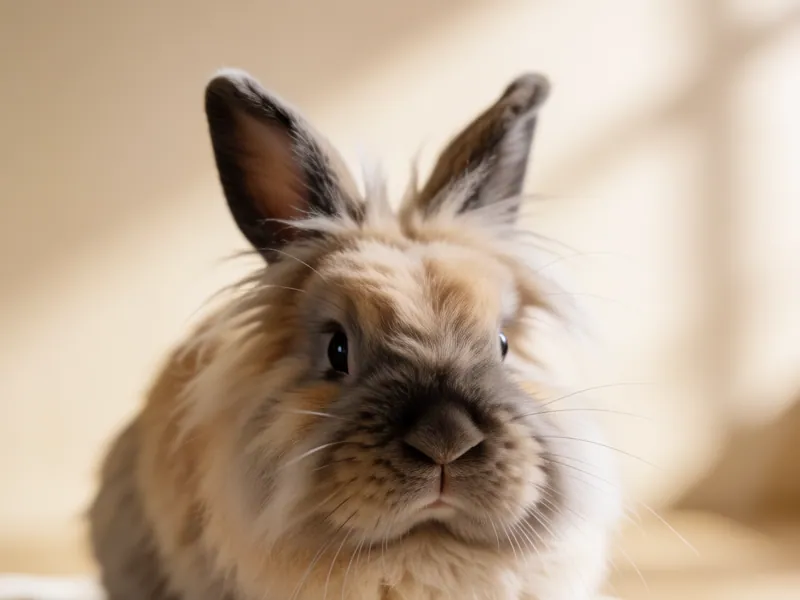
Cat & Small Pet
Rabbits & small pets
Combing, nails and a coat check for rabbits and guinea pigs, done in short sittings — often on your lap rather than a table — with no bath, because bathing a rabbit is genuinely dangerous to it.
Read more
Cat & Small Pet
Senior & special needs
Grooming for senior and special-needs animals: low tables dropped to the floor, appointments split across two visits where that helps, frequent breaks, and no extra charge for any of the extra time it takes.
Read moreA price agreed before the clippers come out
Book an appointment
Call the salon with your pet's breed, weight and roughly when it was last groomed, and we will give you the price and the honest timing on the phone. Nails, ears and sanitary tidies are walk-in whenever we are quiet, and Saturday morning is a dedicated walk-in nail clinic.