Is something actually wrong with your pet? Grooming is not the right answer to a medical problem. If your pet has a wound, a hot spot, an ear that smells or is painful, a lump, a limp, a rash that is spreading, is scratching itself raw, or is in any distress, see a veterinarian first and come to us afterwards. We will happily groom around a healing problem once a vet has seen it, and we will tell you honestly when we think something needs a veterinarian rather than a bath.
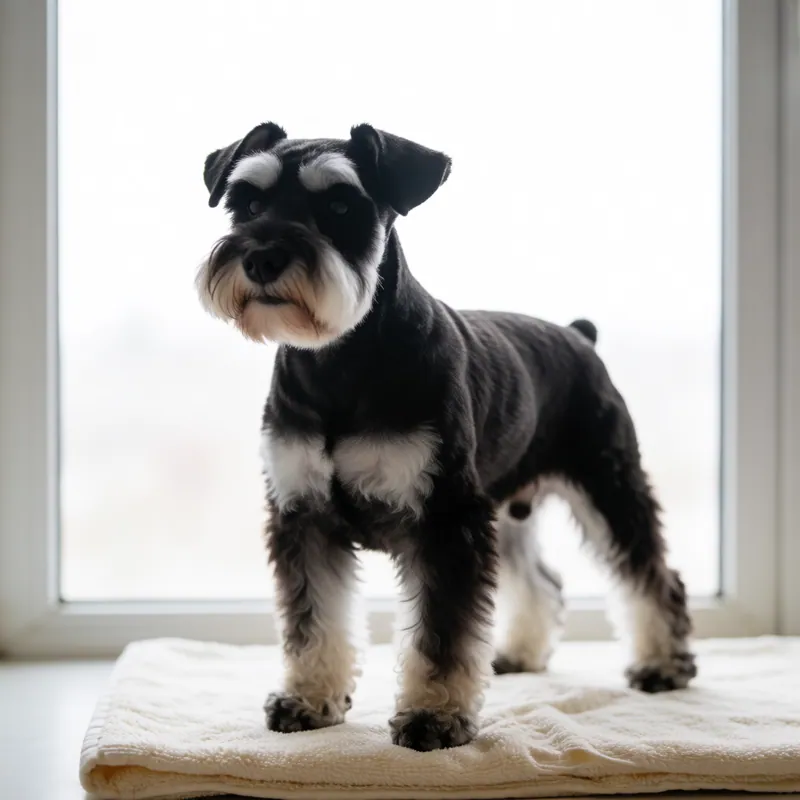
A dog haircut in Woodside, NY generally falls into one of two categories. A breed trim follows the recognised shape for that breed — a schnauzer's beard and eyebrows, a poodle's rounded head, a westie's skirt — as closely as your dog's actual coat allows. A pet trim is built around what suits your dog and what you can realistically keep up at home between visits, and it is what most of the doodles, mixed breeds and previously-shaved dogs that come through the door actually get, because a strict breed shape is not always the practical choice for a family coat routine.
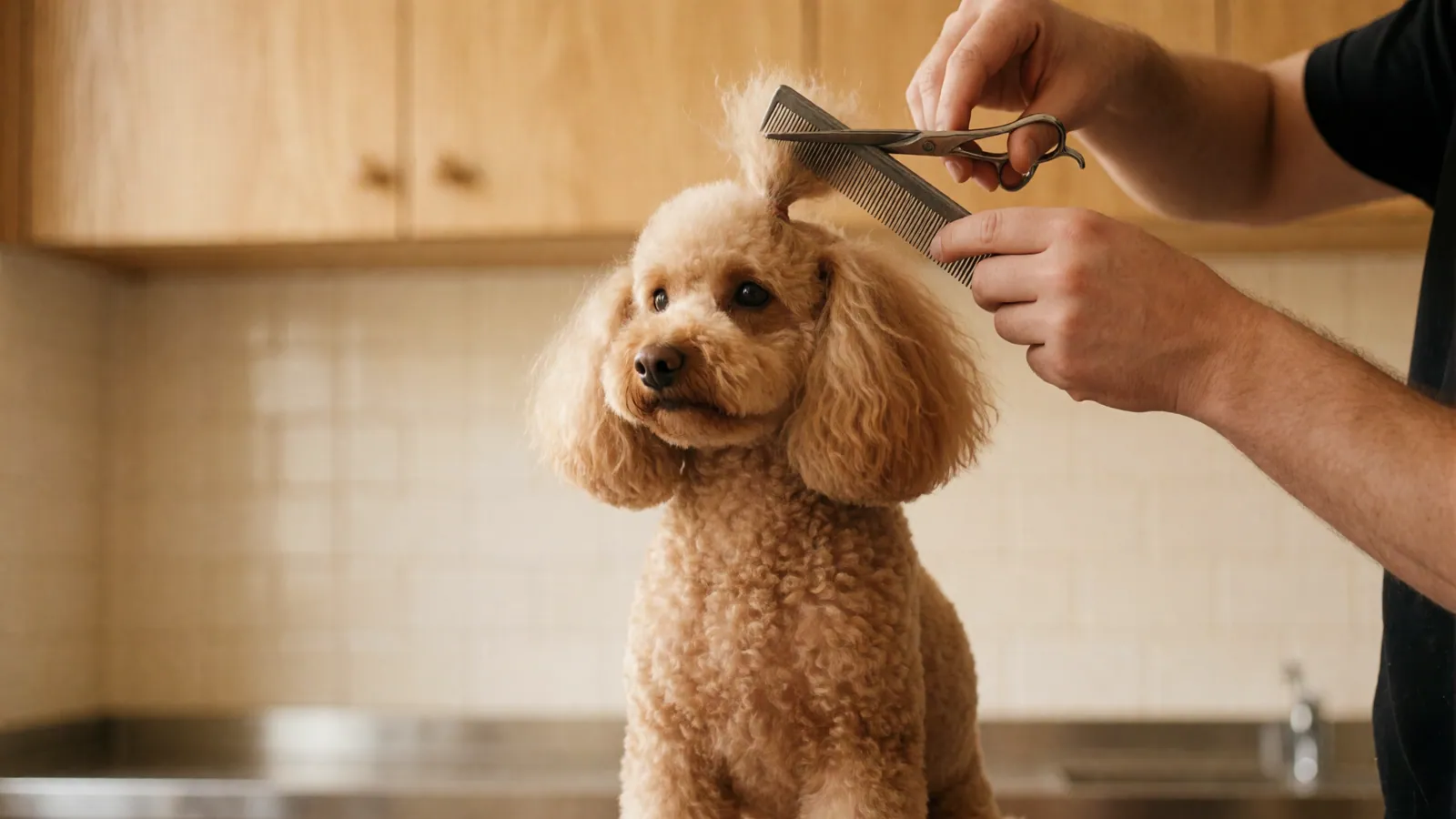
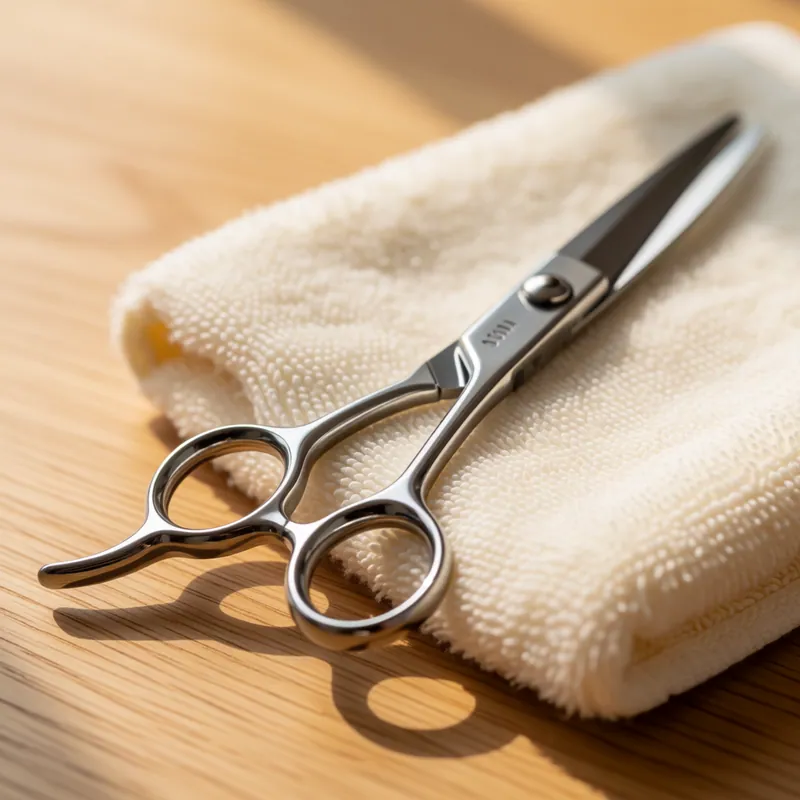
Clippers do the bulk of the work, using a ladder of blade lengths and guard combs so the length can be matched to a specific number rather than approximated by eye — a number seven leaves considerably more coat than a ten, and matching the one that suited your dog last time is far more reliable than describing 'short' in words. Scissors and thinning shears finish the detail work: the face, the feet, the tail, and any blending between a clipped body and longer furnishings, on legs and ears especially.
Scissoring is always done last, once the coat is completely dry, because a coat that has been cut while still damp shrinks slightly as it finishes drying, and the finish you saw in the salon is not the one you get at home. If you liked a length from a previous visit, tell us the approximate blade number if you know it, or bring a photograph — describing a haircut in words is how two entirely reasonable people end up picturing two different dogs. See /breed-guide.html for what your specific breed or mix usually needs.
Breed trims and pet trims, and how we choose between them
The same clippers and scissors, aimed at two different goals.
The breed trim
Built around the recognised shape for the breed in front of us — a schnauzer's furnishings left long while the body is clipped short, a poodle's rounded head and pompom tail, a westie's skirted legs. It takes longer than a pet trim and needs a coat in reasonably good condition to look right, since a breed shape shows every gap a mat left behind.
The pet trim
Built around what actually suits your dog's coat and what you can keep up at home, rather than a fixed show shape. Most doodles, mixed breeds and dogs whose coat has been shaved down before get a pet trim, because it is more forgiving of an uneven coat and easier to maintain on a normal family schedule.
Doodles and mixed coats
The most common haircut on our books, and the one most likely to surprise an owner — a doodle coat can be loose waves or dense wool depending on the individual dog, sometimes changing texture entirely between one year old and two. We will tell you honestly what your dog's coat has actually become before agreeing on a length.
Matching a length you liked before
If a length worked well last time, tell us the approximate blade number if you know it — a seven leaves noticeably more coat than a ten — or simply say which visit you want to match, and we will pull the notes from that appointment rather than guess at what 'short' means to you.
When we will suggest something different
If the coat is too matted, too thin from a previous shave, or genuinely cannot hold the length you have asked for at this time of year, we will say so plainly at the coat check rather than attempt it anyway. We will suggest the closest length that will actually work on the coat in front of us, and explain why, rather than hand back a cut that looks wrong within a week and needs redoing sooner than it should.
Tools, and why the order of operations matters
Clippers do the bulk of the work; scissors finish it, and only once the coat is dry.
Blade lengths and guard combs
Cordless clippers with a full ladder of blades and guard combs at every station, so a length can be set to an actual number rather than approximated. A comb attachment leaves more coat than the bare blade underneath it, which is how the same clipper produces a very short summer trim on one dog and a longer, fuller shape on another.
Scissors and thinning shears
Straights, curves and thinners, used for the face, feet, tail and any blending between a clipped body and longer furnishings on the legs or ears. Sharpened on a schedule rather than only when somebody notices, because blunt scissors pull at the coat rather than cut it cleanly, and a dog feels that difference before a person watching would ever see it.
Why scissoring waits for a fully dry coat
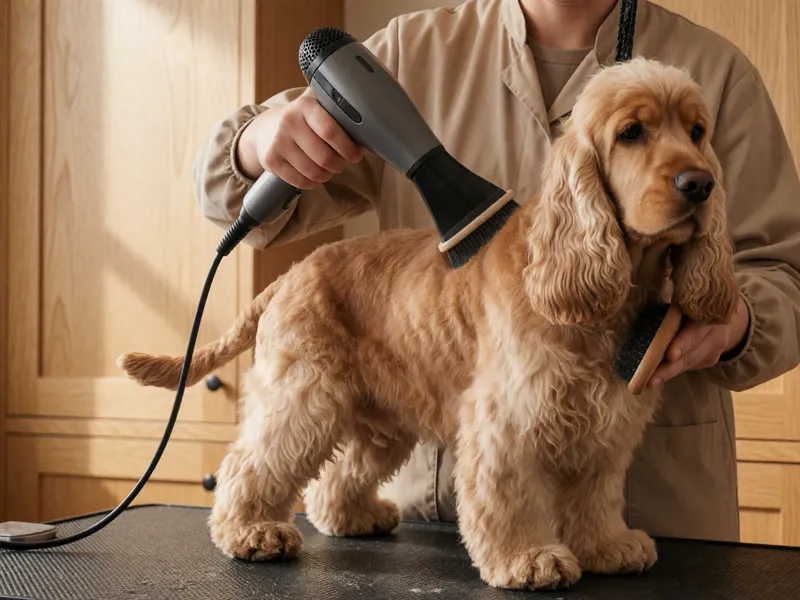
A coat cut while still damp looks even in the salon and shrinks slightly as the last of the moisture leaves it, which is how a level, tidy finish turns uneven by the time you are home. Every scissored detail on your dog happens after the hand-dry is completely finished, never before it or during it.
Blade heat and clipper irritation
Blades are cleaned, oiled and swapped through a longer appointment so nothing gets hot against the skin, since a hot blade is one of the more common and entirely avoidable causes of clipper irritation. If irritation happens anyway — it occasionally does, particularly on a coat that was matted going in — we will show you exactly where before you leave.
The finishing bench
Good light and a mirror at dog height, so the last few minutes of any haircut happen somewhere the finish can actually be checked properly rather than guessed at under a single overhead lamp. This is also where we will show you the result and talk through what it will look like as it grows out.
Getting the haircut you actually want
A good result depends on what you bring to the appointment as much as what happens in it.
Bring a photograph
A picture of a haircut you liked, on a dog with a broadly similar coat, settles more arguments than any description in words — 'short' means something different to almost everyone who says it. If you do not have one, tell us the look you are after and we will suggest the closest thing your dog's actual coat can do.
Say what you did not like last time, not just what you liked
Telling us that a previous groom left the legs too full, the head too round, or the length too short around the ears is considerably more useful to us than a general request for 'the usual', because it tells us exactly what to change rather than simply what to repeat. Specifics about a single feature — the ears, the tail, the face — are more useful again than a general impression that something was slightly off.
Tell us about your grooming routine at home
A length that looks good today but needs daily combing to stay that way is not a fair trade for most households, and we would rather agree on something you can genuinely maintain than hand back a coat that mats again within a fortnight and lands you back here sooner than either of us wanted. Say honestly how much brushing actually happens between visits, not how much you intend to start doing — the coat itself is the more reliable witness.
What we cannot do to every coat
A curly or wool coat cannot be scissored into a smooth, flat finish the way a silky coat can, and a coat that has been shaved down recently will not hold a long, full style until it grows back out. We will tell you plainly what your dog's coat can and cannot do rather than attempt a look that will not last the week.
If you are not happy with the finish
Come back within seven days and we will put it right at no charge, whether that means shortening an uneven patch, evening out a line, or simply talking through why it grew out differently than expected. Nicks and clipper irritation are rare but genuinely possible, particularly on a coat that was matted going in, and we will always tell you the same day, before you leave, if either happens rather than let you discover it at home later that evening.
Haircut & styling in western Queens
Breed trims, pet trims and everything between: the right blade length or guard comb chosen for the coat, scissoring finished on a fully dry coat, and a length matched to whatever suited your dog last time.
It starts the same way whatever you have booked: both hands over the whole animal before anything is switched on, so we find what is under the top layer rather than discover it halfway through. Then you are told the price and the finish time out loud, before you leave the building. If the coat turns out to be worse than it looked, we stop and call you, and you decide what happens next rather than finding out at collection.
Grooming is not veterinary care. Grooming is grooming, not veterinary care. This page describes a service we offer. It is general information, and it is not a diagnosis, a treatment or veterinary advice for any particular animal. We are groomers, not veterinarians — we do not diagnose, we do not prescribe and we do not treat medical conditions. If your pet has a wound, a lump, an ear or skin problem, a limp or anything that worries you, speak to a licensed veterinarian who can actually examine it.
How we handle your animal. We do not sedate animals and we never will — sedation is a veterinary decision made by a veterinarian, not a grooming shortcut. We use no heated cage dryers of any kind, and no animal is ever left alone with a dryer running. Every pet is hand-dried by the person grooming it. If your animal tells us clearly that it has had enough, we stop, and you get an honest conversation instead of a finished haircut.
Questions
Haircut & styling — the questions we are asked most
What is the difference between a breed trim and a pet trim?
A breed trim follows the recognised shape for that specific breed as closely as the coat allows — the furnishings, the head shape, the skirt, wherever that breed traditionally has them. A pet trim is built around what suits your dog and what you can keep up at home instead, and it is what most doodles, mixed breeds and previously shaved coats actually get, because it is more forgiving of an imperfect coat underneath.
How short can you cut my dog's coat?
As short as a guard comb or bare blade allows, though we will tell you honestly if a very short length will change the texture or colour of the coat as it grows back, particularly on a wire or double coat. Bring a photograph if you have a specific length in mind, or tell us the approximate blade number from a previous visit if you know it.
Can you match the exact haircut my dog had at a different groomer?
We will do our best, and a photograph makes this considerably easier than a description in words. We cannot guarantee an identical result, since every pair of hands works slightly differently and every coat has grown or changed since the last cut, but we will get as close as your dog's current coat allows and explain any difference honestly.
Why does the price stay the same whether or not I want a haircut?
The bath, hand-dry, nails, ears and sanitary tidy are part of every full groom appointment regardless of the haircut, so the price reflects the whole visit rather than the haircut alone. If you only want the bath and the brush-out with no cutting at all, that is a separate, cheaper appointment — see /bath-and-brush.html.
My dog's coat is matted. Can you still give him a haircut?
Often, yes, though a badly matted coat usually means a shorter length than you originally asked for. We de-mat up to thirty minutes by policy, and past that point a short clip is kinder than continuing to comb, since felted hair pulls at the skin. We will tell you plainly what the coat can realistically do before we start cutting.
Do you use the same blade length every time so the look stays consistent?
We can, if you tell us the number from a previous visit or ask us to note it down after this one. Coats do change slightly with the season and with age, so we will flag it if the same blade number is going to look different this time, rather than cut on autopilot.
Will scissoring hurt if my dog moves during the haircut?
It is why scissoring happens at the finishing bench with your dog settled and calm, one groomer working at a steady pace rather than rushing, and why we stop rather than push through if a dog is genuinely unsettled. Small nicks are rare but possible, and if one happens we will tell you about it the same day, not leave you to find it later.
What if I do not like the haircut once I get my dog home?
Come back within seven days and we will adjust it at no charge — lengths sometimes look different in salon light than they do at home, and that is a fair thing to fix. Tell us specifically what you would change, since that is far more useful to us than a general sense that something is off.
Related
Usually booked alongside this
Dog Grooming
Full dog groom
The complete appointment for a dog who needs the works: a coat check, a bath, a full hand-dry, a haircut suited to the coat in front of us, nails, ears and a sanitary tidy, priced before anything starts.
Read more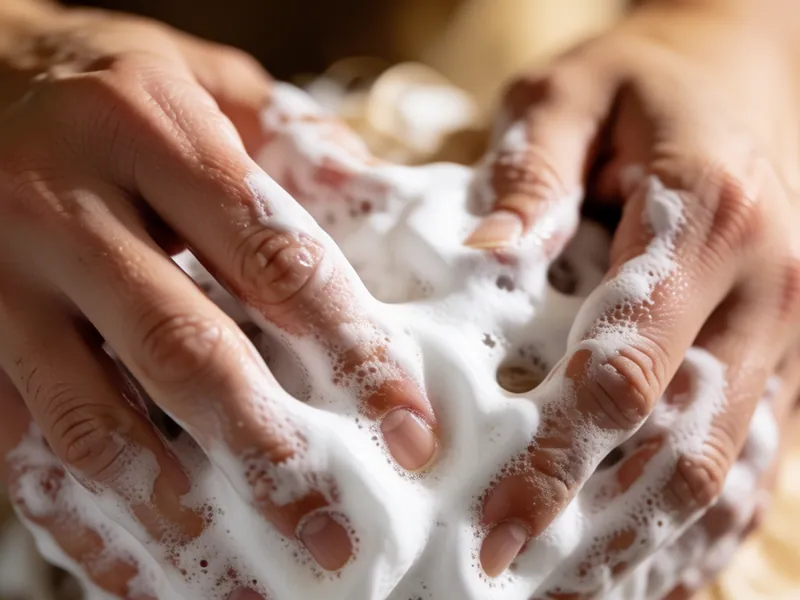
Dog Grooming
Bath & brush
The no-haircut appointment for a dog who needs washing and untangling rather than clipping: two washes on most coats, a full hand-dry, a brush-out, nails, ears and a sanitary tidy.
Read more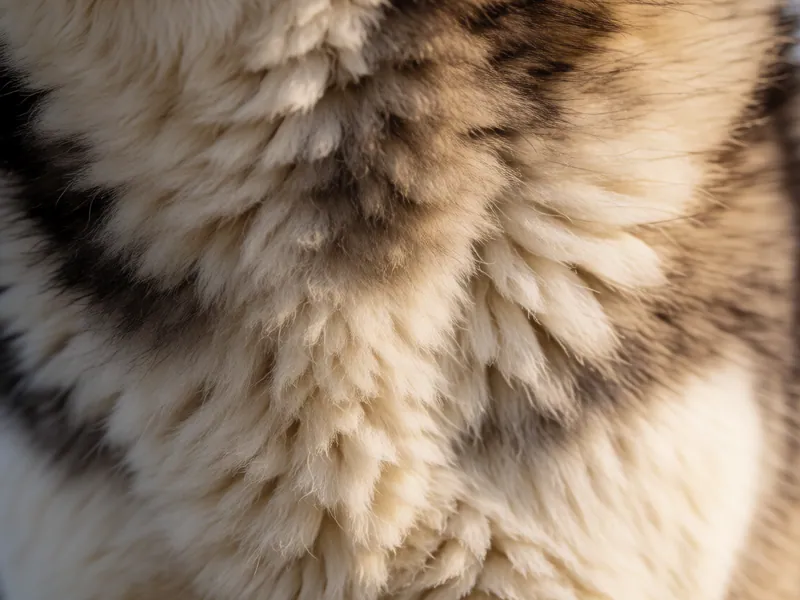
Dog Grooming
De-shedding
A bath, a high-velocity hand-dry and real undercoat work for double-coated dogs, built to remove loose undercoat rather than cut it off — we do not shave a double coat except on a veterinarian's advice.
Read moreA price agreed before the clippers come out
Book an appointment
Call the salon with your pet's breed, weight and roughly when it was last groomed, and we will give you the price and the honest timing on the phone. Nails, ears and sanitary tidies are walk-in whenever we are quiet, and Saturday morning is a dedicated walk-in nail clinic.